Pennsylvania officially becomes 4th state to legalize online gambling.
Earlier today, AP Reporter Marc Levy twitted that Governor Wolf has signed H 271 bill. A bill which legalizes online gambling within the borders of Pennsylvania.

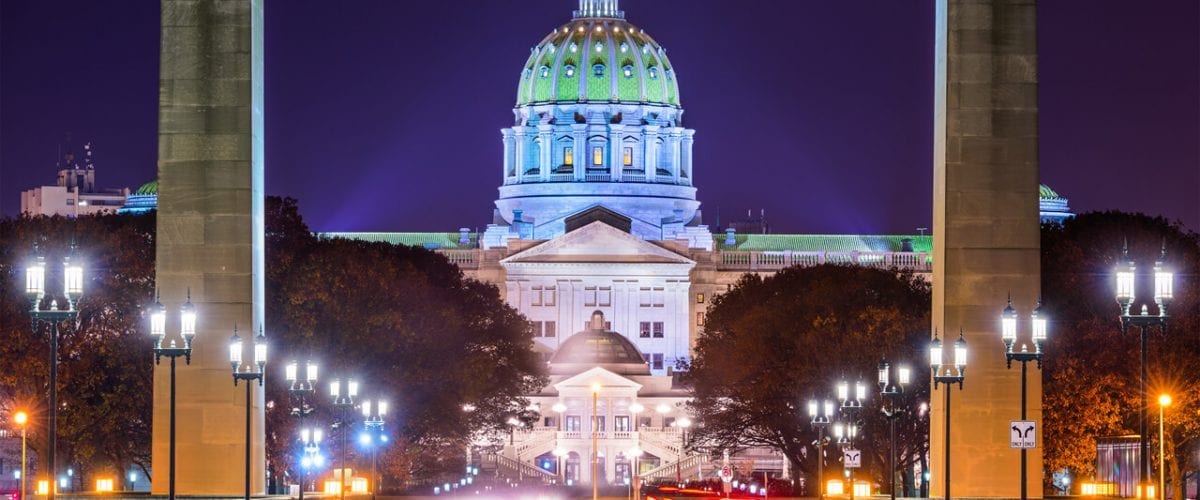
Earlier this week, Pennsylvania Senate and House of Representative passed H 271 bill which is set to legalize online gambling within the state borders. We are keen to set things straight and figure out what is the future of online gambling in Pennsylvania.
Since 2013 Pennsylvania legislators have tried to legalize online gambling inspired by the revenues New Jersey has enjoyed from online gambling industry tax revenues. However, the first bill turned out to be only the beginning of the road as it was killed in the committee hearings. It was not until 2015 when Rep. John Payne. Became a Gaming Oversight Committee Director. As a strong advocate for online gambling John Payne ignited a legislative process once again, however it wasn’t meant to be for the next 2 years, as politicians came up with new reasons to avoid PA online gambling bill passage.
After Senate voting 31-19 in support of the bill and Pennsylvania House voting 109-72 in favor of the bill, it is up to governor Tom Wolf to act on the bill. Earlier this week it was expected, that Wolf will sign the bill. However, rumors have questioned governor’s intentions and some insiders believe that Wolf is not going to sign it. In this case, the bill becomes automatically a law on Nov 5th. If interested you can go through the actual copy of the bill
Where is the rush coming from? Currently, PA legislators are struggling to cover 2018 budget deficit and hoping to raise additional funds from online gambling legalization for 2019 state budget.
If the bill becomes a law(at this point our insiders are telling us it is going to happen), online gambling provisions of the bill become effective only 60 days after the approval.
Afterwards, PA Gambling Control Board will start accepting applications for online gambling licenses(there are 3 categories of license in total) from existing casino owners. Casino operators have an exclusive 90-day window where only current holders of the existing gambling license are allowed to apply for an online gambling license. Afterwards, other entity can apply for a license.
It is not clear how fast the bill will be launched since there are many equivocal dates left for individual interpretation in H 271 bill, however there 2 things suggest that everything is going to happen rather fast.
There’s no strict deadline specified in the bill but our insiders believe that it is rather sooner than later. The entire state government in under the pressure of a budget deficit, therefore there is a desire to put license fees under the belt of 2017 budget, henceforth Pennsylvania Gaming Control Board will be under pressure to grant licenses prior June 2018 (end of 2017 fiscal year in PA)
njnodeposit prediction: we expect the launch of the first online gambling casinos by the middle of 2018.
The bill provides equal gambling opportunities to those of New Jersey, therefore Pennsylvania residents don’t have to travel anymore when interested in online gambling.
At this point, we can try to predict the future of legal online gambling in Pennsylvania and answer some of the most frequently asked questions
Currently, there are 12 legal casinos in Pennsylvania, therefore we can expect at least 12 websites in the near future. Some may argue that not all of the existing gambling license holders will take advantage of it, but it will be a really ridiculous step for gambling sharks to refuse such opportunity, considering that their NJ relatives even offer bonus money for online gambling.
Keep in mind that there is no clear restriction on the number of brands that can operate under single online gambling license, therefore minor casinos can partner up with the sharks in order to clinch a part of the online gamlbing market.
Njnodposit prediction: there will be around 20 online gambling websites.
We can expect these folks to be the first to clinch Pennsylvania’s online gambling licenses but they will also have to pay for their pole position.
The bill rhetoric is redundant on this topic and specifies a lot of provisions that interested entity have to supply. It is clear that operators of legal land-based casinos in Pennsylvania fall under this category. However, what is clear is that in order to apply for a Pennsylvania online gambling license an entity does not have to operate a land-based casino in the state. Therefore as the 120-day window elapses, “newbies” are more than welcome to join the party.
Everyone who is located within the borders of Pennsylvania and has reached the age of 21 will be able to enjoy online gambling. Nevertheless, H 271 bill restricts employees of land-based casinos and major employees of gambling platform providers from online gambling.
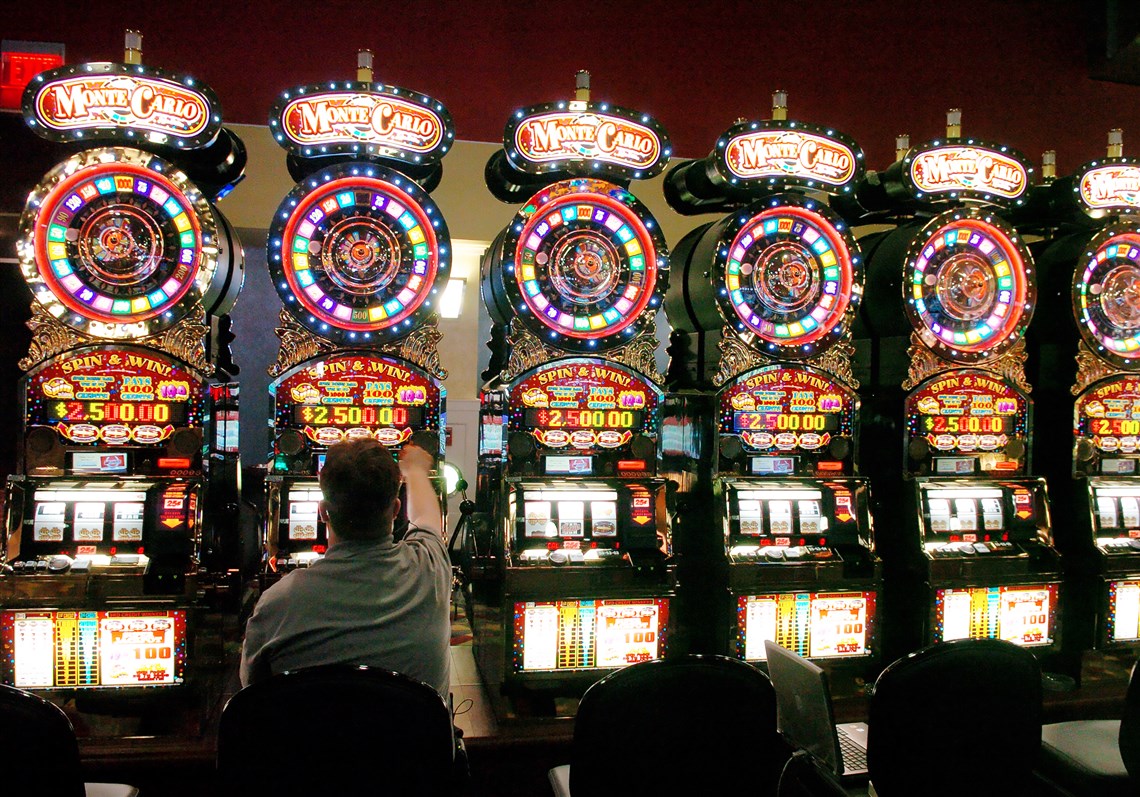
We can expect regular online casino games including online slots, online table games and live poker. Probably live dealer games will be introduced as well. However, a peculiar taxation structure that taxes slot games more heavily than table games promises us some new hybrids that will satisfy slot lovers but will remain under the provision of table games or poker.
A player pool refers to an agreement between different states which allows their visitors enjoy online gambling websites registered in both states.
Currently, it is well known that there have been talks since 2017 between PA and NJ about player pools. New Jersey casinos were very much interested in the new player cohort from Pennsylvania. However, it is not just New Jersey that can directly benefit. If the bill becomes a law, Pennsylvania will be very interested in attracting thousands of online players from New Jersey-meaning new profits for the casinos and larger budget funds for the state. Currently, NJ shares poke pool with Nevada and Delaware, therefore we can see Pennsylvania join the family.
Probably not, New Jersey, Delaware and Nevada have stuck the deal regarding poker only, but currently, all parties are interested in interstate play for the online casinos as well. We can expect the same to repeat with Pennsylvania online gambling. First, comes online poker, everything else follows.
There are 3 answers to this question.
a) License fees: legislators expect to collect around $100 millions from license fees
b) Tax revenue: this is a big issue and possibly a problem for online gambling in the state. PA legislators included an enormous tax rate for online gambling profits.
These rates are humongous when compared to NJ online gambling tax rate of 15% percent. Taxes will be collected based on gross gaming revenue, which means a total of all cash collected online by the casinos will be taxed.
c) Thousands of new jobs and a new industry for the state.
Bill H 271 legalizes and regulates sports betting on the state level. However, sports betting remains illegal in Pennsylvania, because a federal law prohibits sports betting on a national level. Currently, the state of New Jersey is battling this law and a case against it will be reviewed in the Supreme Court early in December 2018. Over the last 5 years, New Jersey has been battling PASPA-a federal law that prohibits sports betting across the US. A Supreme Court decision is expected to be announced in the first quarter of 2018. Sports betting has been regulated in the NJ since January 2012 but remains illegal due to PASPA. Considering the fact that PA decided to regulated sports betting, regardless of the national ban, there will be additional pressure on the judges voting in support of PASPA.
Online sports bets is a humongous industry in Europe, therefore legislators were destined to regulate online betting. Assuming PASPA is ruled illegal, land-based sports betting and online sports betting will be legal in Pennsylvania.
2018 Has been a year of ups and downs for online gambling. Considering the fact that the bill was passed by both of the legislative houses in less than 24 hours, we can expect 2019 to end on a bright note for online gambling lovers.
njnodeposit prediction: Governon Wolf will sign PA online gambling bill and 2019 will be the year when first legal online casinos will open their websites in Pennsylvania.
Pennsylvania officially becomes 4th state to legalize online gambling.
Earlier today, AP Reporter Marc Levy twitted that Governor Wolf has signed H 271 bill. A bill which legalizes online gambling within the borders of Pennsylvania.
Earlier this week, Pennsylvania Senate and House of Representative passed H 271 bill which is set to legalize online gambling within the state borders. We are keen to set things straight and figure out what is the future of online gambling in Pennsylvania.
Until Wednesday, Oct 25th online gambling was illegal in Pennsylvania. However, a bill that legalized online gambling and online poker was passed by Pennsylvania Senate on Wednesday and passed by Pennsylvania House on Thursday. Many consider this to bthe biggestst gambling expansion since the state legalized land based gambling a decade ago.